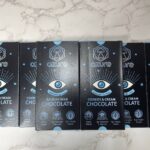


Mushroom Chocolate Bars vs Gummies: Onset Times and Potency Compared
When you step into the world of infused mushroom products, you are immediately faced with a choice between two highly popular delivery formats: mushroom chocolate bars and mushroom gummies. Both options provide a delicious, smoke-free alternative to raw botanicals, but they are far from identical.
Choosing between them is not just about whether you prefer rich cacao or fruity flavors. The choice directly influences how fast your body processes the active ingredients, how intensely you feel the effects, and how long those effects last.
This guide provides an objective look at the metabolic and practical differences between mushroom chocolate bars vs gummies to help you pick the perfect format for your wellness goals.

The Metabolic Journey: How Formats Affect Onset Times
The time it takes to feel the first effects of your product depends heavily on its food base. Your digestive tract processes fats, sugars, and gelatin through completely different biological pathways.
- Mushroom Gummy Onset: The Sprint
Gummies provide a fast-acting delivery system. When you chew a gummy, the primary ingredients are simple sugars and fruit pectin or gelatin. Because simple sugars dissolve quickly, a small portion of the active mushroom extract is absorbed directly through the mucous membranes in your mouth (sublingual absorption).
The remaining gummy material moves rapidly through your stomach. As a result, users generally report feeling the initial effects within 30 to 45 minutes. - Mushroom Chocolate Onset: The Marathon
Mushroom chocolate bars require a bit more patience. High-quality chocolate is packed with complex lipids (cocoa butter) and dense milk solids. Your stomach cannot simply pass these fats straight through; it must systematically break them down using gastric lipases and bile salts.
Because fats slow down digestion, the active mushroom compounds are released gradually. This results in a slower, smoother onset window that typically takes 45 to 60 minutes (or longer if consumed on a full stomach). - Potency and Bioavailability: The Fat Factor
A common question among consumers is: Is one format naturally stronger than the other? The short answer is no—a milligram of active mushroom extract is structurally identical whether it sits inside a gummy or a chocolate square. However, the bioavailability (how much of that milligram your body actually uses) changes significantly.
This is where chocolate holds a distinct biological advantage. Many primary active fungal compounds—including specific adaptogenic triterpenes and alternative botanical molecules—are fat-soluble.
When these extracts travel through your digestive tract wrapped in the natural fats of cocoa butter, your body absorbs them more easily. This can lead to a slightly deeper, more prolonged experience.
Gummies, being water-based, pass through your system quickly. This often creates a sharper peak effect that tapers off faster, making them ideal for shorter, more predictable routines.
Complete Head-to-Head Comparison
The table below breaks down the key performance indicators of mushroom chocolate bars vs gummies to help you make an informed choice.
Practical Factors: Flavor Masking and Lifestyle Convenience
Beyond biochemistry, your day-to-day routine should guide your purchase choice.
- Taste and Terroir
Mushroom extract can have a strong, bitter flavor profile. Premium dark chocolate naturally shares these bitter alkaloid notes, making it incredibly effective at completely masking the extract.
Gummies work differently by using bright, tart fruit flavors (like sour apple, blue raspberry, or citrus) to balance out the earthiness. If you have a sensitive palate and dislike any hint of an earthy aftertaste, high-cacao chocolate bars are generally your best bet - Travel and Weather Considerations
If you travel frequently, lifestyle convenience becomes a major factor. Chocolate is highly sensitive to heat. Leaving a premium mushroom chocolate bar inside a warm car or mailbox can quickly turn it into a melted puddle, which ruins the consistent distribution of your dosage grid.
Gummies, especially those formulated with plant-based fruit pectin rather than animal gelatin, have a much higher melting threshold. This makes them a more durable option for summer shipping or carrying in a backpack.
Why did my mushroom chocolate take over an hour to work?
This is almost always due to stomach contents. If you eat a meal right before consuming mushroom chocolate, your stomach slows down to process that food, delaying the absorption of the active ingredients. For a more predictable timeline, consider waiting 2 to 3 hours after eating a major meal.
Can I melt down a mushroom chocolate bar to make hot cocoa?
We do not recommend doing this. Exposing the chocolate to high heat a second time can degrade delicate active compounds like psilocybin or specific nootropic peptides, reducing the overall potency of your product.
Are mushroom gummies vegan-friendly?
It depends entirely on the brand. Many traditional gummies use gelatin, which is an animal byproduct. However, many premium mushroom brands use fruit-derived pectin instead, making them 100% vegan-friendly. Always check the ingredient label to be sure.
Now that you know how chocolates and gummies compare on onset and potency, it’s time to learn how to dose them effectively. Continue your journey with our next supporting guide: [Microdosing Protocol Guide for Beginners]